Removal
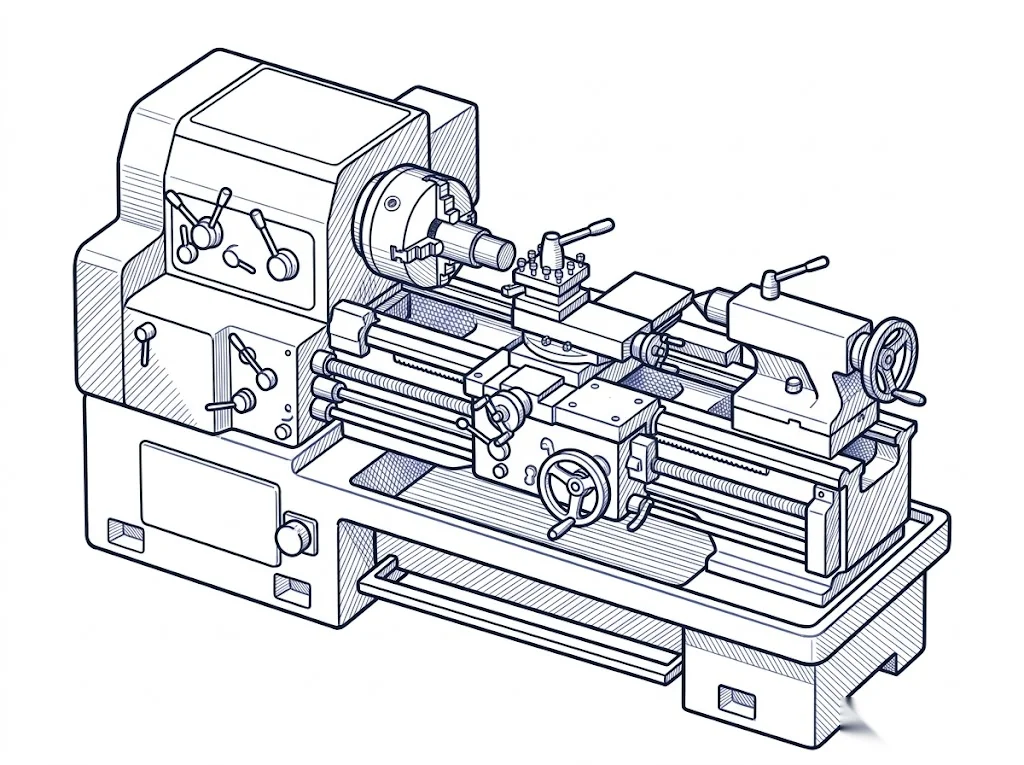
Removal processes, also known as subtractive manufacturing, represent the historical bedrock of modern fabrication: a component takes shape by progressively subtracting material from a raw stock until the intended geometry is reached. Unlike additive processes—which build the object layer by layer—the subtractive approach starts from the solid and removes, drawing on a wide range of technologies: CNC milling, which drives computer-controlled rotating tools to cut flat, contoured or three-dimensional surfaces with sub-millimetre precision; turning, used for revolution profiles; EDM (electrical discharge machining), capable of working the hardest metals through electrical sparks without any mechanical contact; and grinding and lapping processes, which deliver micrometric tolerances and flawless surface finishes. Although subtractive machining inevitably generates material offcuts, it offers unique advantages: compatibility with virtually any solid material—metals, engineering plastics, wood, composites—certified structural integrity of the finished part, and mechanical performance that pushes the limits of design specifications. For these reasons it remains the preferred choice in aerospace, medical, automotive and any manufacturing context where dimensional accuracy and reliability are non-negotiable.
Machines for this process
No sheets published here yet.
We're verifying the first machines for this process. In the meantime you can browse the whole catalog →