Assisted assembly (joining)
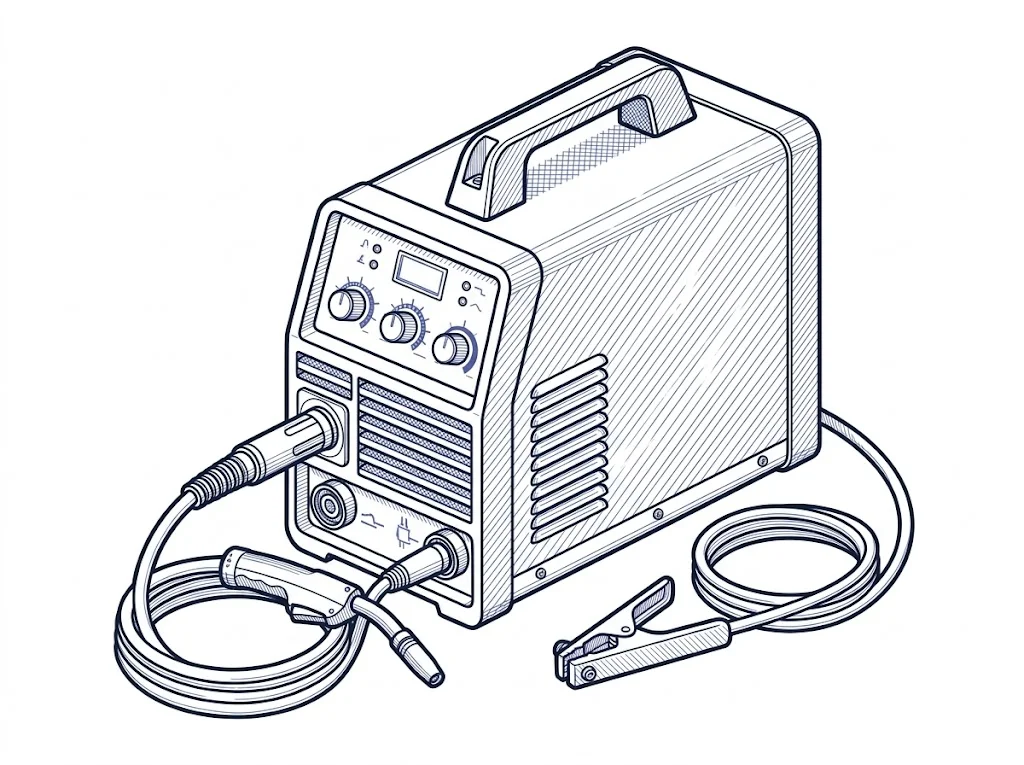
Assembly and joining processes are essential for permanently uniting two or more distinct components, transforming them into a single cohesive structure through the targeted application of heat, pressure or filler materials. Among the techniques that preserve the integrity of the base materials, brazing stands out: it exploits the principle of capillarity to make a molten filler metal flow inside the joint, guaranteeing excellent mechanical seals and the valuable possibility of joining dissimilar metals. Based on a similar thermal principle, but at decidedly lower temperatures, is electronic soldering (or soft soldering): used extensively in the production of printed circuits, it uses low-melting-point alloys to create connections that ensure perfect electrical conductivity and mechanical hold without risking damage to delicate microcomponents. Moving on to fusion welding, in which the edges of the base material itself are melted, spot welding dominates high-volume series production, as in the automotive industry: two electrodes clamp the overlapping sheets and release an intense localized electrical discharge, melting and welding the metal in a fraction of a second. Finally, for the most demanding structural needs, arc welding represents the absolute industrial standard: by exploiting a very high temperature electric arc generated between an electrode and the workpiece, it brings metals to deep fusion (often with the aid of shielding gases), creating continuous joints of unmatched mechanical strength.
Machines for this process
No sheets published here yet.
We're verifying the first machines for this process. In the meantime you can browse the whole catalog →